home > health > respiratory therapy
Convert to PDF for Printing

Respiratory Therapy Program

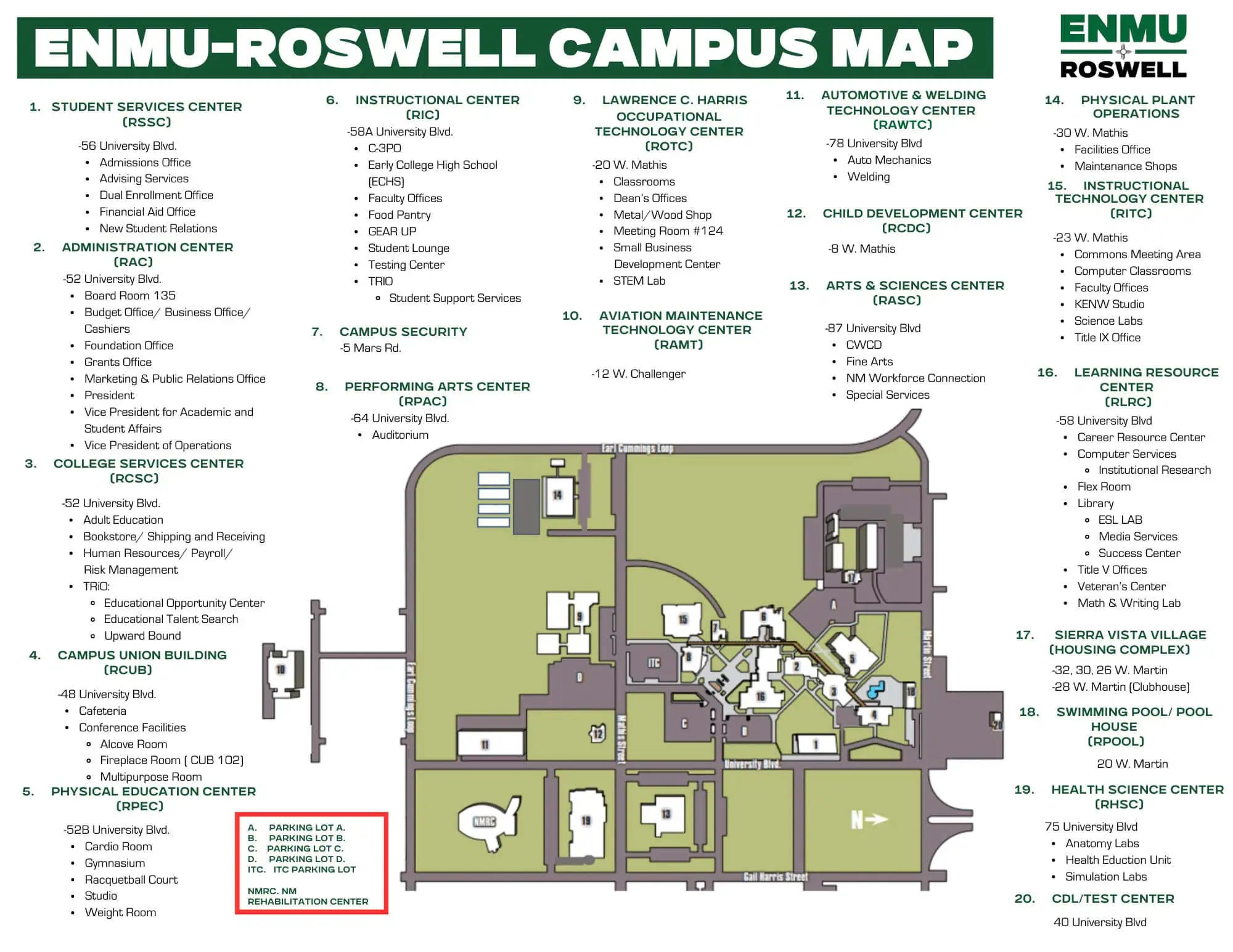
Location: Arts and Sciences Center, Room 108
Office Hours: 8:00AM to 5:00PM Monday - Friday
Department Contact: Gina Buldra
Phone: (575) 624-7217 or (575) 624-7166
Fax: (575) 624 - 7100
Respiratory Therapy Students

Major Points of the Respiratory Therapy Program:

  • The ENMU - Roswell Respiratory Therapy Program is accredited by the Commission on Accreditation of Allied Education Programs (CAAHEP) upon recommendation of the Committee on accreditation for Respiratory Care (CoARC).
  • 100% Job Placement for all Graduates
  • Graduates of the Respiratory Therapy Program work in hospitals, homecares, sleep labs and education.
  • Two year Associate of Science Degree in Respiratory Therapy
  • Interested persons who have successfully completed the pre-admission requirements and have interviewed with the program director, may enroll on a first-come, first-serve basis
  • Graduates of the Program are eligible to sit for the national Board for Respiratory Care exams (CRT, RRT).
  • Certified Respiratory Therapy Technicians may apply for admission with advanced standing on a space available basis
  • In order to gain skills in the practice of respiratory therapy, students will be required to attend clinical sessions outside of Roswell. This will require out of town travel at the student's expense. Limited online courses available. Most courses require on campus attendance.
  • Employment of respiratory therapists is expected to increase much faster than the average for all occupations through the year 2008, because of substantial growth of the middle-aged and elderly population-a Development that will heighten the incidence of cardiopulmonary disease.
  • According to the Occupational Outlook handbook, the average median annual starting salary is $41,000.
  • Opportunities are expected to be highly favorable for respiratory therapists with cardiopulmonary care skills and experience working with infants.
  • Although hospitals will continue to employ the vast majority of therapists, a growing number can expect to work outside hospitals in home health agencies, respiratory therapy clinics or nursing homes.
  • Small class sizes

Associated Sites